
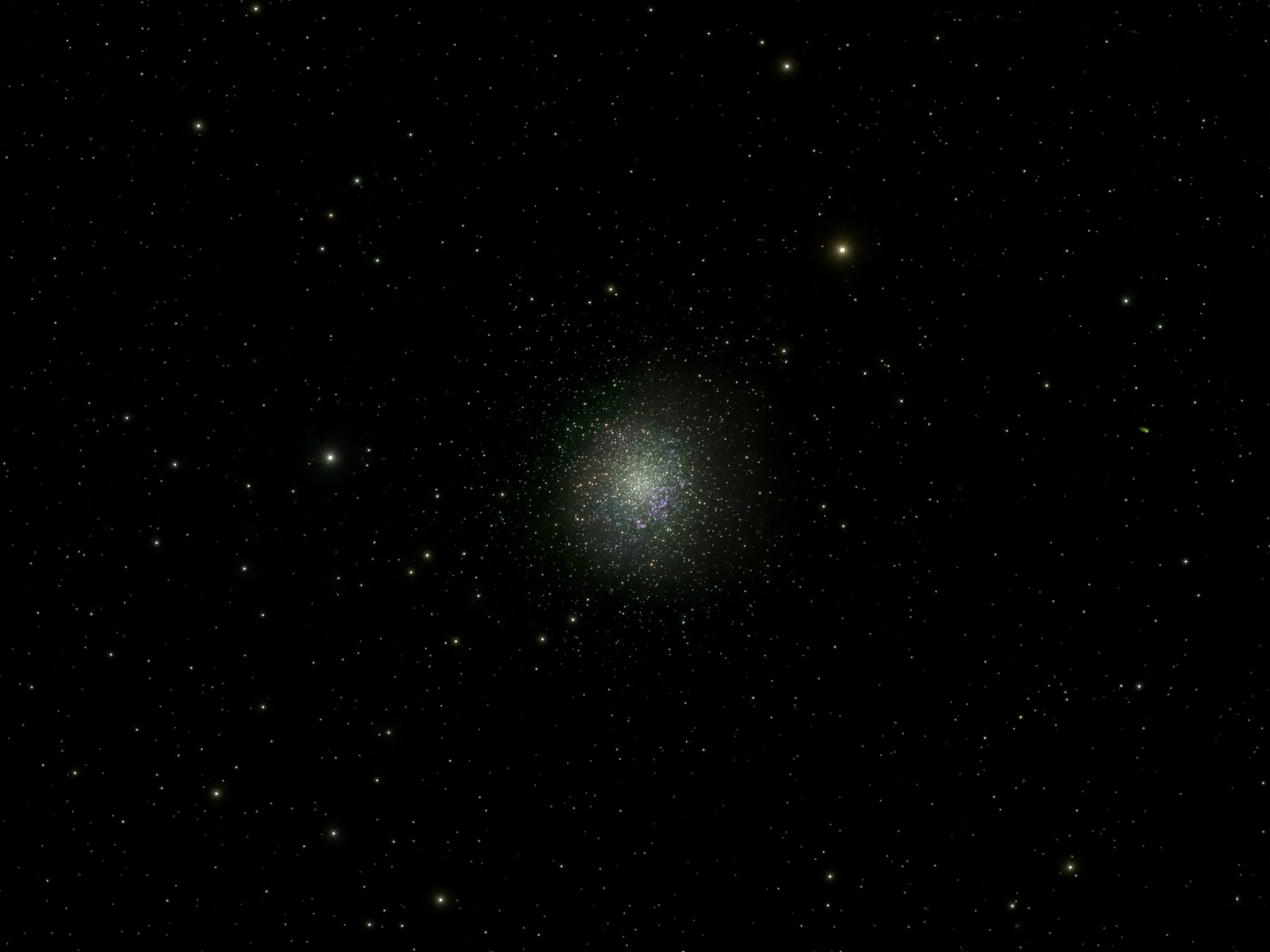
The night sky shimmers with countless stars, but nestled amongst them lie some truly ancient and captivating treasures – globular star clusters. These dazzling spheres of stars, like celestial jewels scattered across the cosmos, hold stories of our galaxy’s formation and evolution.
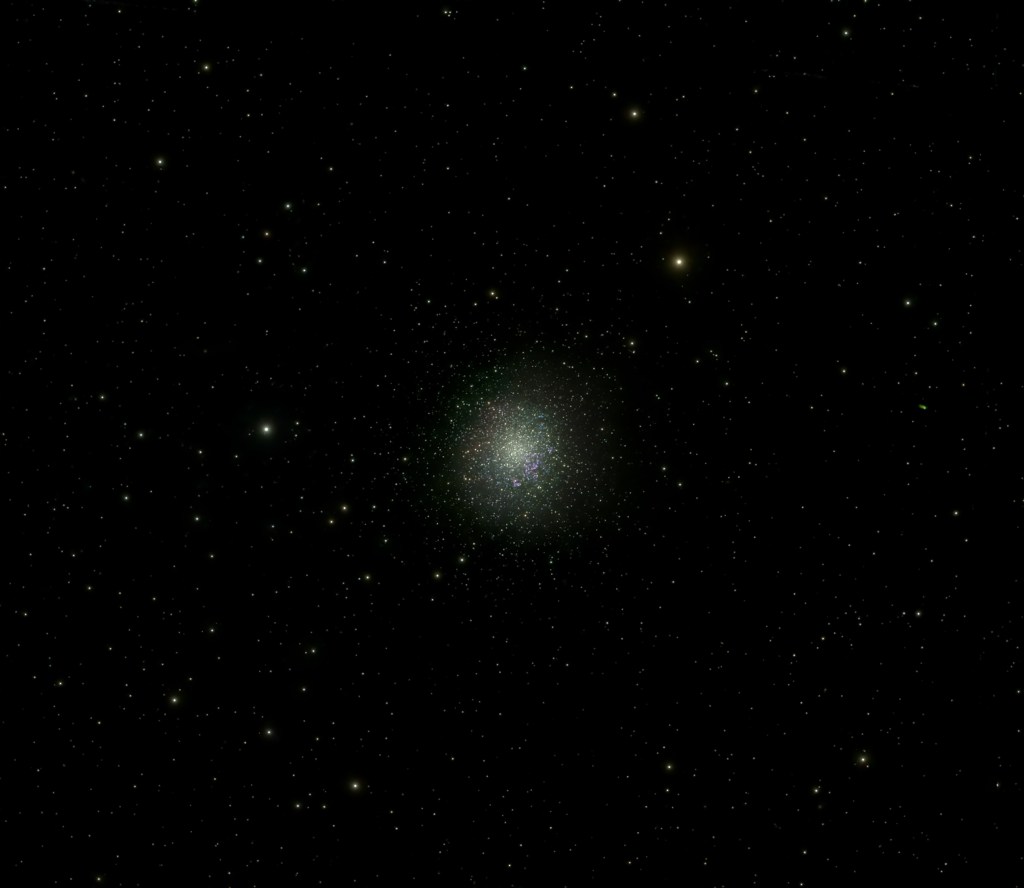
Stellar Cities of Old: Globular clusters are tightly bound collections of hundreds of thousands, or even millions, of stars. Unlike the sprawling spiral arms of our Milky Way, these stars are densely packed together, creating a compact and awe-inspiring sight. Their spherical shape is a result of their immense gravity, which keeps them bound together for billions of years.
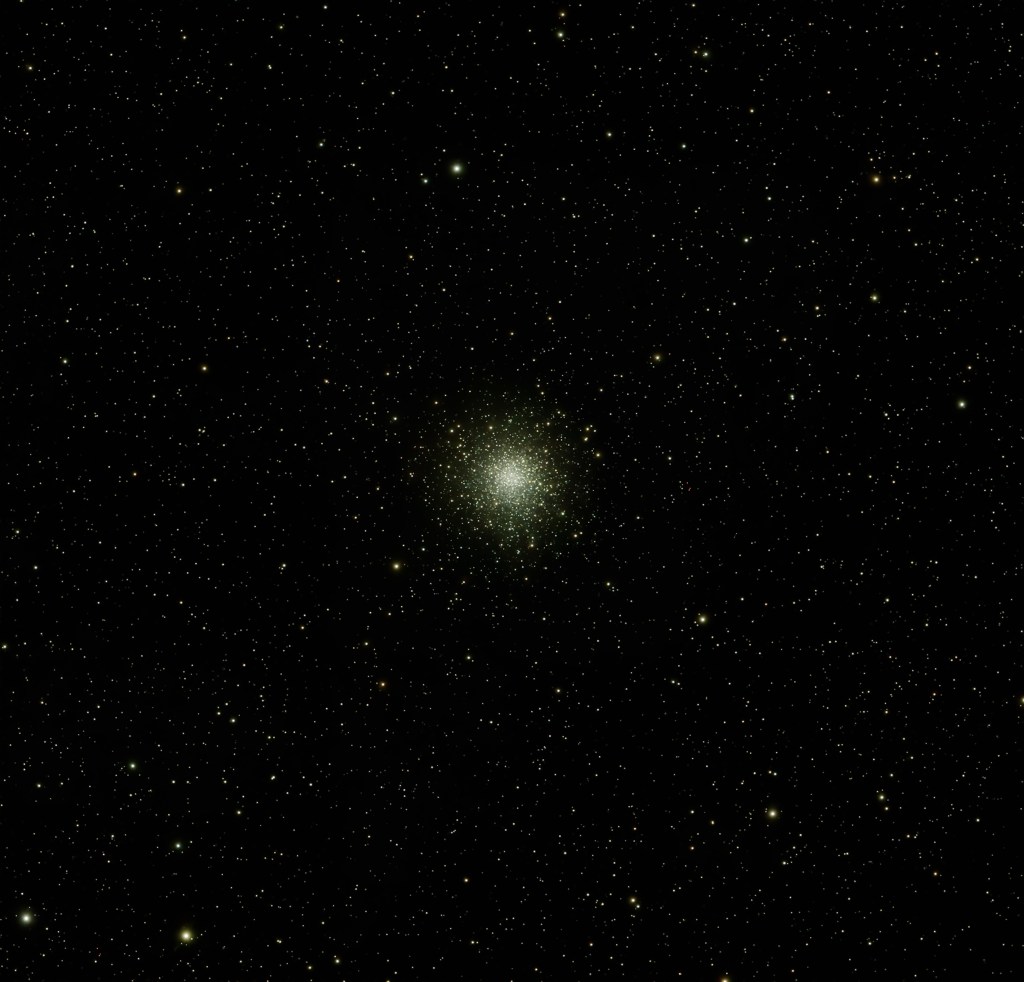
Ancient Denizens of the Galaxy: The stars within a globular cluster are considered the true veterans of our galaxy. Globular clusters are estimated to be some of the first structures to form, with ages exceeding 10 billion years in some cases. Studying these ancient stars allows us to understand the conditions in the early Milky Way and how stars evolve over their lifespans.
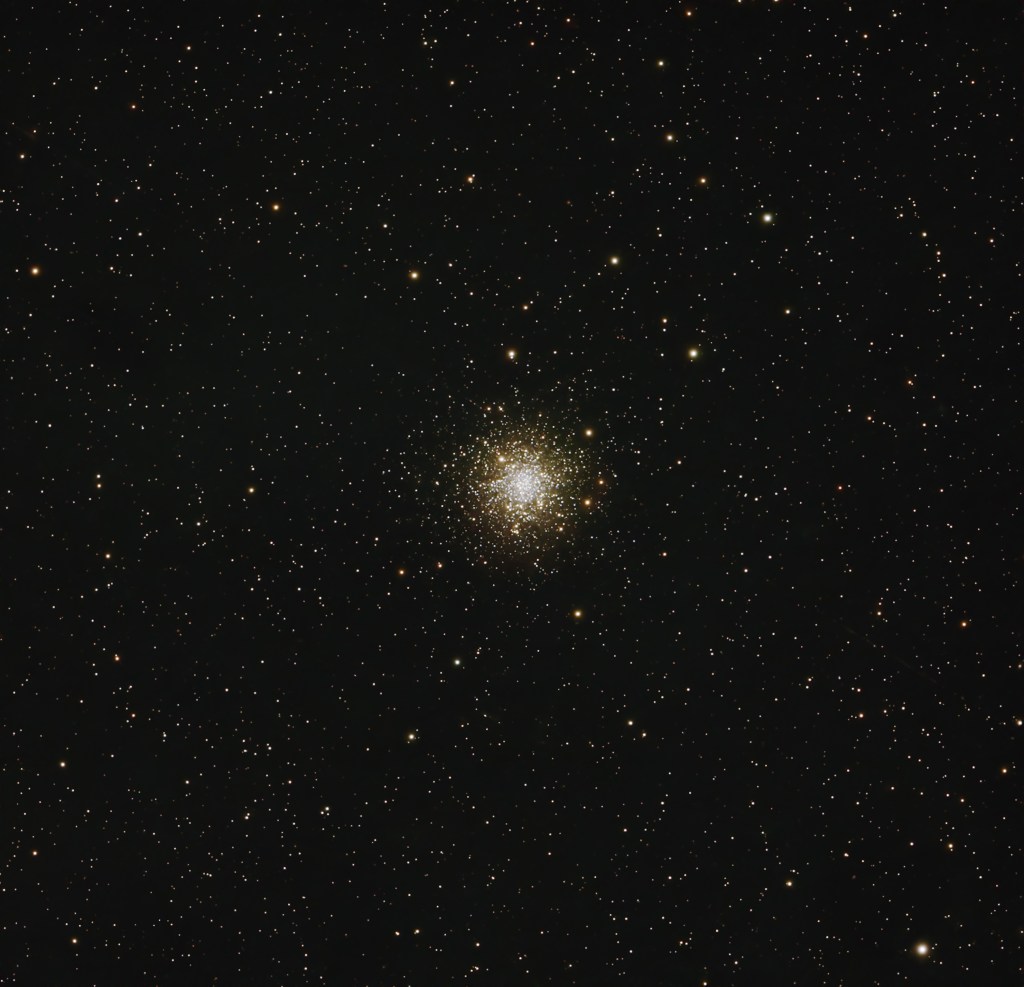
A Treasure Trove for Astronomers: Globular clusters serve as natural laboratories for astronomers. By analyzing the properties of the stars within these clusters, scientists can learn about the formation and evolution of not only the clusters themselves, but also gain insights into the structure and history of our galaxy. Additionally, the extreme density of stars within a globular cluster can lead to fascinating phenomena like stellar collisions and exotic stellar remnants.
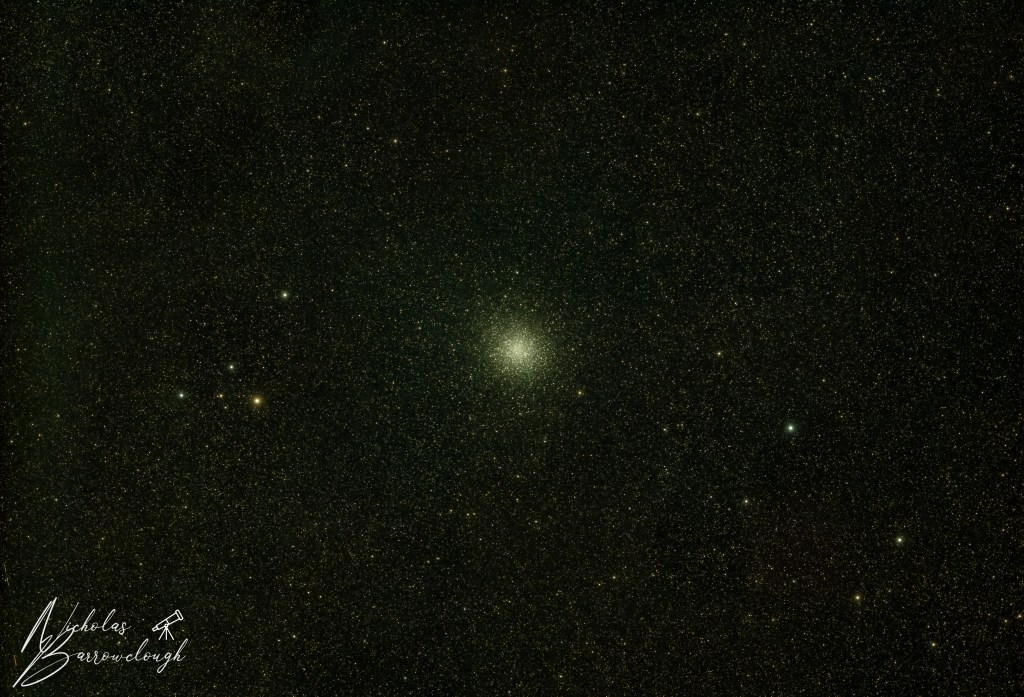
Great Globular Cluster in Sagittarius
A Range of Celestial Beauties: Not all globular clusters are created equal. While some appear as faint, fuzzy patches of light, others shine brightly, revealing their multitudes of stars even in small telescopes. Some clusters boast unique characteristics, such as the faint extensions of M10, nicknamed the “Butterfly Cluster,” or the prominent dust lane bisecting Omega Centauri.
Discover more from Nicks Astrophotography
Subscribe to get the latest posts sent to your email.
 Nicks Astrophotography